My story
Support became more than a job.
It became a discipline.
Eighteen-plus years across networking, healthcare, infrastructure, identity, fleet technology and retail — the same thread runs through all of it: take something that is struggling, understand why, and rebuild it around the people who have to live in it every day.
Where it started
I started on the phones and in the queue. That matters, because almost every idea I still believe about customer experience came from being the person on the other end of a broken system — the one holding the pager, reading the escalation, calling the customer back when nobody wanted to.
What I learned early is that support is where a company’s promises meet reality. Marketing writes the promise. Engineering builds the product. Support finds out whether any of it is true. Handled well, it becomes the most honest feedback loop a business has.
What I kept finding
The same pattern appeared at nearly every stop: teams working hard inside an operating model that was working against them. Queues organised by convenience rather than customer need. Escalation paths that punished the person who raised the alarm. Metrics that measured motion instead of resolution.
So the work was rarely about buying another platform. It was about changing the shape of the operation — who owns what, how work reaches the right expertise, what “done” actually means — and then giving people the tooling and the cover to do it properly.
What I’m building toward
Automation and AI have finally become genuinely useful in this space, and I think that is good news for the people doing the work rather than a threat to them. The repetitive triage, the summarising, the pattern-matching across thousands of cases — hand that to the machine. Keep the judgement, the difficult conversation and the design of the system with the humans.
That is the operation I want to keep building: proactive rather than reactive, measured on outcomes rather than activity, and staffed by people who are getting better at something rather than burning out at it.
Chapters
-
3Com / HP
Learning the craft
Enterprise networking, at the scale and pace where you learn very quickly that a customer’s outage is not a ticket — it is their business standing still.
-
Blue Cross Blue Shield of Massachusetts
Support where the stakes are personal
Healthcare taught me a different kind of urgency. When the system behind someone’s care is degraded, “we’ll look at it tomorrow” is not an answer.
-
Riverbed Technology
Support as a discipline
This is where support stopped being a function I worked in and became a discipline I studied — formal frameworks, measurable practice, and the TSIA Certified Support Professional credential that came out of it.

TSIA Certified Support Professional I (CSP‑I) -
VMware / Pivotal
Platform-scale complexity
Supporting infrastructure and platform products means the customer’s problem is almost never in one place. It sharpened how I think about cross-functional ownership and swarming.
-
Okta
Identity, trust and scale
Identity is the front door to everything. The team I worked with here is one I still measure others against — and the farewell said more about the culture than any metric could.

Okta team farewell — grateful for the memories and friendships that last a lifetime. -
Motive (formerly KeepTruckin)
Transformation at scale
Changing the operating model changed the outcome. Moving to POD-based ownership with structured swarming produced results the previous model could not:
- SLA compliance improved by 20%
- Average resolution time reduced by 30%
- 85% of Tier 2 / Tier 3 cases resolved within two business days
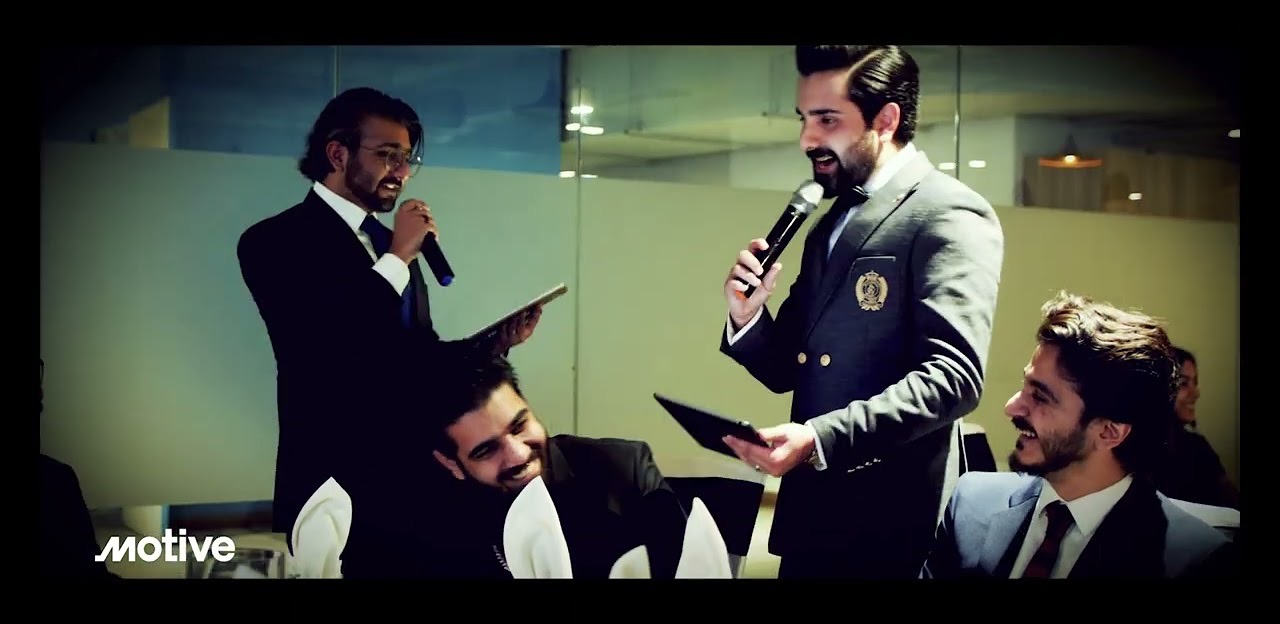
Motive appreciation night — one team, one mission. -
XOPS
Building from the ground up
World-class support and managed services, built from nothing. Different problem entirely: not fixing an operation, but deciding what it should be before it exists.
Sohail is a dedicated and capable leader who would be a valuable asset to any organization.
— Andrew Robinson, Chief Strategy Officer & Co-Founder, XOPS -
Chalhoub Group
Experience at retail scale
Retail and luxury put customer experience under a very bright light — the expectation is set by the brand long before anyone contacts support.